Foggy Glass Means a Failed Seal — Not Necessarily a Failed Window
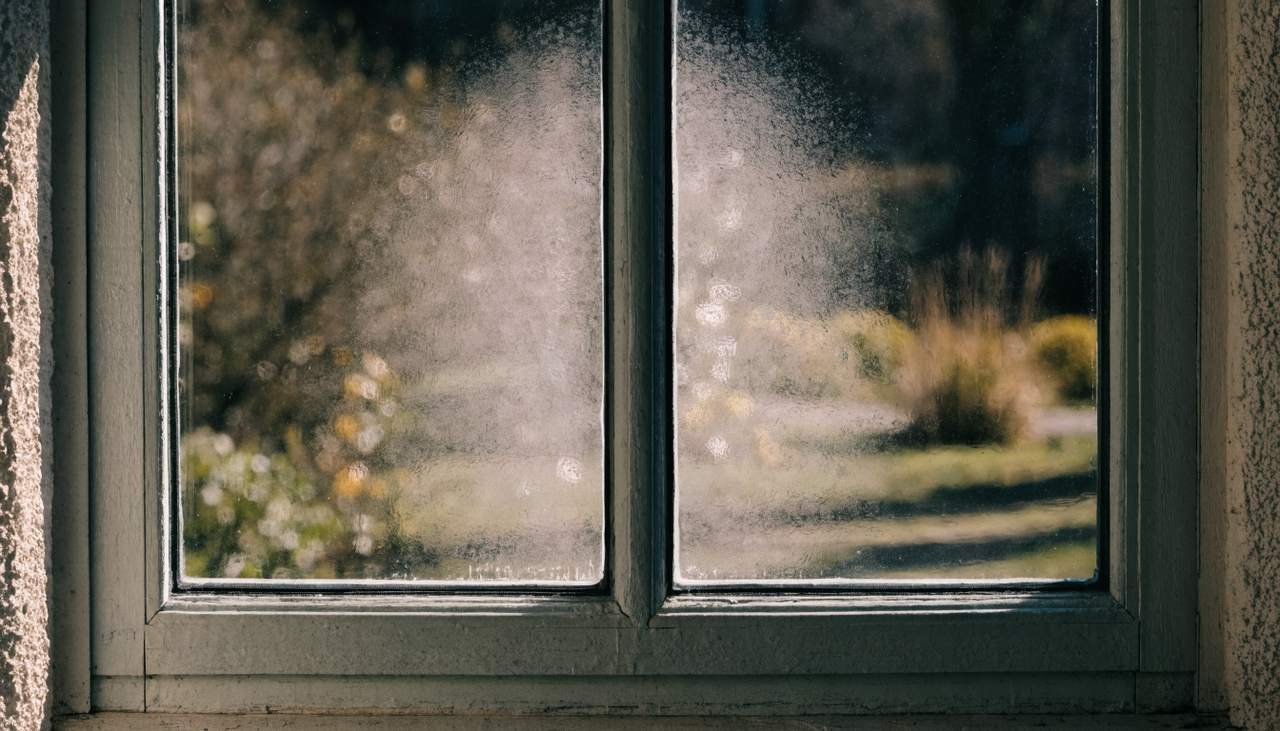
That haze between the panes that no amount of cleaning touches is the signature of a failed insulated glass unit. Every double-pane window is built around a sealed package — two panes, a spacer, a desiccant, and (usually) argon fill. When the perimeter seal fails, humid air cycles in and out with the temperature swings, the desiccant saturates, and moisture condenses on the inner glass surfaces where you cannot reach it. In a climate that swings from 117-degree records to ice storms, seals work hard; failure after enough years is normal wear, not a defect in your house.
Glass-Only Replacement: When It Makes Sense
Here is the part many homeowners do not know: on most modern vinyl and clad windows, the insulated glass unit (IGU) can be replaced without replacing the window. The sash comes out, the failed unit is measured precisely — thickness, spacer width, and glass type matter — a new sealed unit is fabricated, and it sets back into your existing sash and frame. The result is clear glass and restored insulation at a fraction of full window replacement cost. It is the right call when the frame and hardware are in good shape and the failure is the seal.
When Glass-Only Is False Economy
The honest counter-case: if the window is an original aluminum single-pane, there is no sealed unit to restore — the whole assembly is the problem. And if a vinyl unit’s frames are chalked and brittle, its balances failing, and its second IGU going cloudy, you are buying new glass for a window at the end of its life. A useful rule of thumb: one failed unit in an otherwise healthy window — replace the glass; systematic failures across a wall or a house — price whole-window replacement, because the per-opening economics flip. We will tell you which side of the line your situation falls on, and the estimate costs nothing.
The Related Jobs That Ride Along
Glass calls usually surface the adjacent fixes worth doing while a crew is on site: sashes that will not stay up (failed balances), locks that no longer pull the sash tight (worn keepers), torn or missing solar screens — a meaningful upgrade in this sun — and weatherstripping gone flat. Bundling these into one visit is cheaper than three service calls, and a good installer quotes them without being asked.